Alexey Borealis
ENRU
About

My path to astrology

From physics and mathematics — to the traditional astrology of the 17th century.

My professional path has brought together several fields that are rarely found in combination: physics, mathematics, programming, research and traditional astrology. It is the union of these disciplines that has shaped my present approach to forecasting.

How it all began

It began not with astrology, but with physics and mathematics.

I graduated from the Kolmogorov boarding school of physics and mathematics and the physics department of Moscow State University, and in the early 2000s moved to Australia for a PhD at the Australian National University. Brian Schmidt — later a Nobel laureate in physics — helped me make that move.

I came across astrology by chance, reading studies on the influence of planets on a person's life. That sparked a question I've carried ever since: is it possible to objectively investigate the patterns underlying astrological methods, rather than simply believing in them. That is how I came to astrology — not through esotericism, but through science and the thrill of research.
Encountering traditional astrology

For many years I studied astrology across very different traditions — from the modern psychological school to classical European.

John Frawley and Robert Zoller had a decisive influence on my approach. From Frawley I received the QHC (Qualified Horary Practitioner) qualification, and from Zoller the CMA (Certified in Medieval Astrology). It was they who led me to traditional European predictive astrology.

Why Morinus

I chose Morinus not because he is a “favourite author”, but because his system is the most complete predictive tradition to have reached us: coherent, internally consistent and testable in practice.

The 17th-century works of Jean-Baptiste Morinus became for me not an object of faith, but a working tool — something to translate, test and apply to real charts.

Why I turned to research

I have always been interested not only in “how to forecast”, but in “why one method works better than another”. Without an answer to that question, astrology remains a collection of recipes.

That is why a large part of my work is mathematical statistics and the testing of methods on large datasets. I prefer to bring forgotten techniques back to life by translating and testing old texts rather than inventing new ones — and to subject both ancient and modern claims to criticism before including them in the curriculum.

Why I build software

Many ideas cannot be tested by hand — they require thousands of charts and large-scale calculations.

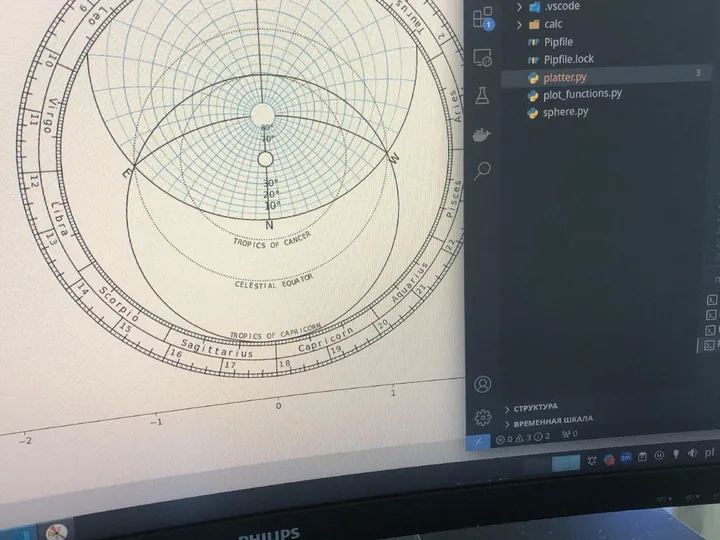
So a few years ago I began building specialised software myself: for research, for automating calculations and for analysing predictive techniques on large samples. Today these tools are used not only in my own practice but by other professional astrologers. For me this is a rare and important combination — astrology and software — and it largely defines the way I work.

How the work looks today

Today my work is no longer so much individual consultations as teaching astrologers and spreading knowledge: I founded the Morinus school, speak at international conferences and give expert commentary to journalists.

But the core of this work has stayed the same. I do not consider it an astrologer's job to impress a client with the sheer number of predictions. What matters far more is to show honestly what truly follows from the chart — and where no reliable conclusion can be drawn.

Sometimes the most valuable result is the understanding that the coming year is most likely to be a quiet one, without major changes.

Timeline

Key milestones

From physics and mathematics to the work of today.

1990sPhysics and mathematics
Began studying astrology
Studied with Robert Zoller
Studied with John Frawley
Founded the Morinus school
First international publications
Talks at ISAR and OPA
Built research software
Today
In the frame

Working moments

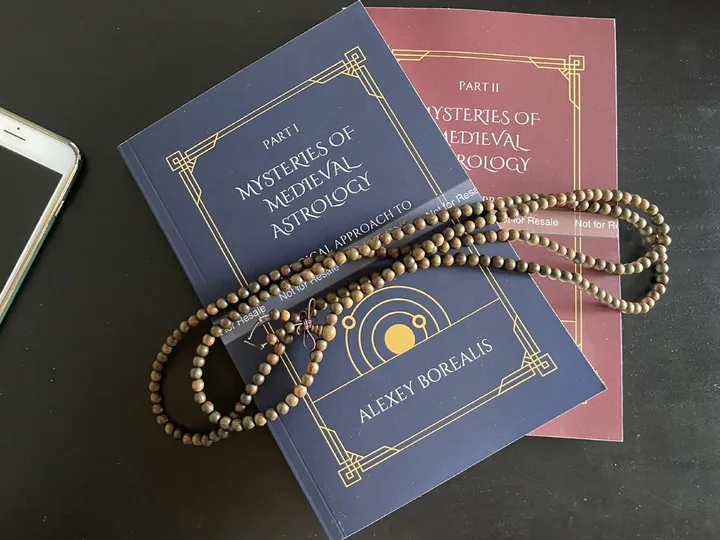
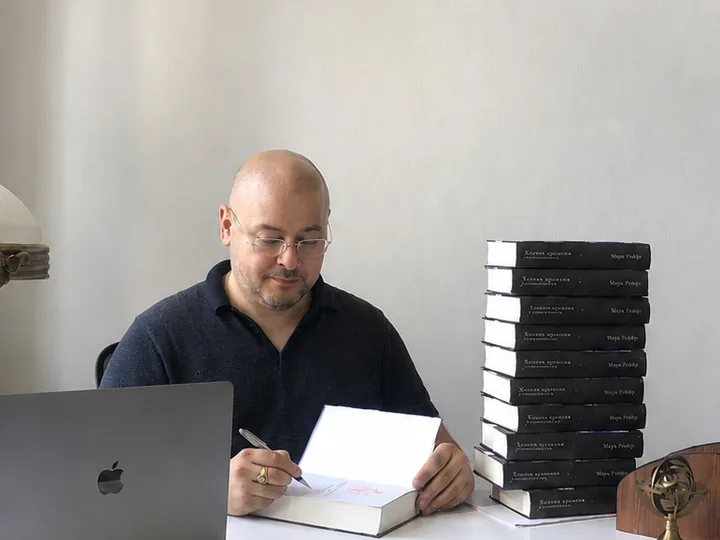
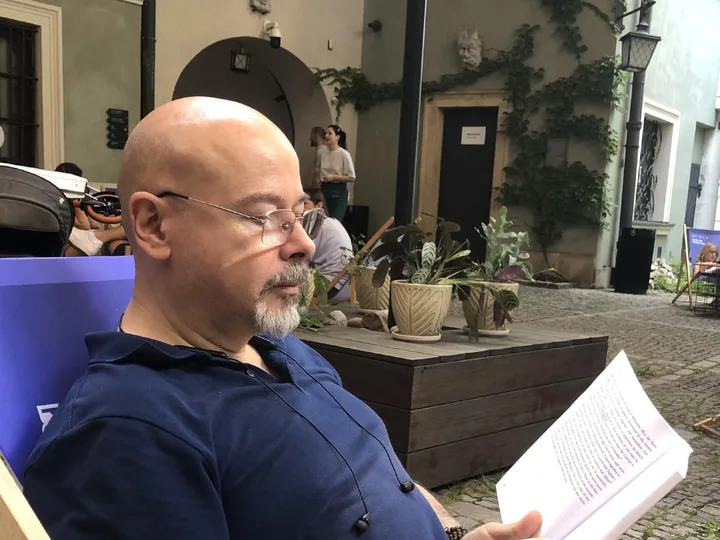
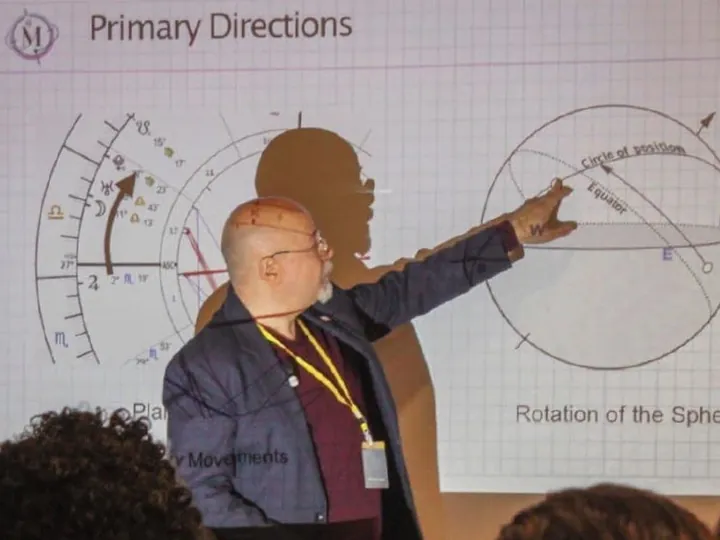
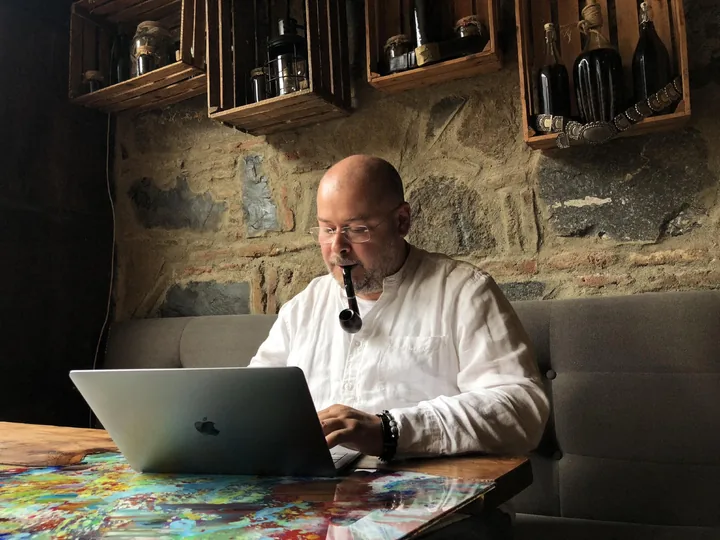
Not a studio portrait, but ordinary working life — talks, books, code. More photos will appear here over time.

Next

Books, research and publications

If you'd like to explore my books, research and publications in more detail, visit the Publications section.